


The ASTM A53 ERW Steel Pipe is typically made from carbon steel. This material provides a good balance of strength, durability, and cost - effectiveness. Carbon steel contains iron and carbon, with carbon content usually ranging from 0.05% to 2.1% by weight. The carbon content affects the pipe's mechanical properties, such as hardness, tensile strength, and ductility.
ASTM A53 ERW Steel Pipe can vary. The outer diameter commonly ranges from 1/2 inch to 26 inches, and the wall thickness can be adjusted according to different application requirements. For example, in some general - purpose pipelines, a standard wall thickness is used, while in high - pressure applications, a thicker wall is required.

: The Chinese standard for steel pipes may have different chemical composition requirements and mechanical property test methods compared to ASTM A53. For example, the tolerance range of dimensions in GB standards might be more strictly regulated in some cases, especially for pipes used in critical domestic infrastructure projects.
: ASTM A53 is well - known for its focus on the quality of the steel in terms of mechanical properties, such as yield strength and tensile strength. It also has specific requirements for the manufacturing process of ERW pipes, ensuring high - quality production.
: BS standards for steel pipes often emphasize corrosion resistance and environmental adaptability, which may lead to differences in surface treatment requirements compared to ASTM A53. For instance, in the UK's humid climate, pipes need to have better anti - corrosion performance.
: EN standards usually integrate environmental protection and safety requirements into the pipe manufacturing process. There may be more stringent regulations on the use of certain additives in the steel - making process to meet European environmental protection directives.
ASTM A53 ERW Steel Pipe is produced through the Electric Resistance Welding (ERW) process. In this process, a strip of steel is formed into a circular shape and then welded using an electric current. The heat generated by the electric current melts the edges of the steel strip, joining them together to form a seamless - looking pipe. This method is highly efficient and cost - effective, allowing for large - scale production.
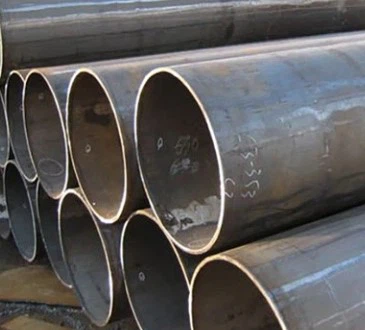
ASTM A53 ERW Steel Pipe has a wide range of applications. It is commonly used in water supply systems, both for domestic and industrial use, due to its corrosion - resistance and durability. In the oil and gas industry, it is used for transporting fluids and gases in pipelines. It is also used in construction projects for structural support and in some mechanical equipment manufacturing.
ASTM A53 ERW Steel Pipe is its cost - effectiveness. The ERW production process reduces manufacturing costs compared to some other pipe - making methods. It also offers good mechanical properties, ensuring its reliability in various applications. Additionally, its wide range of available sizes and compatibility with different connection methods make it a popular choice for many industries.